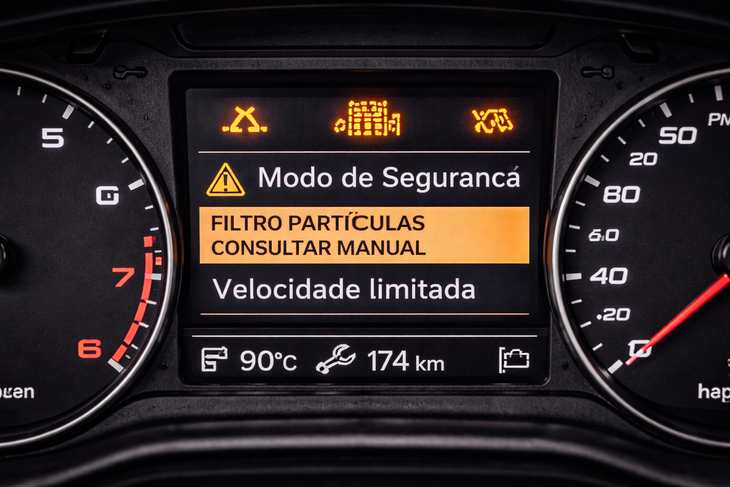


Decarbonising the Intake Manifold, Valves and EGR: Why It’s Essential for Engine Performance
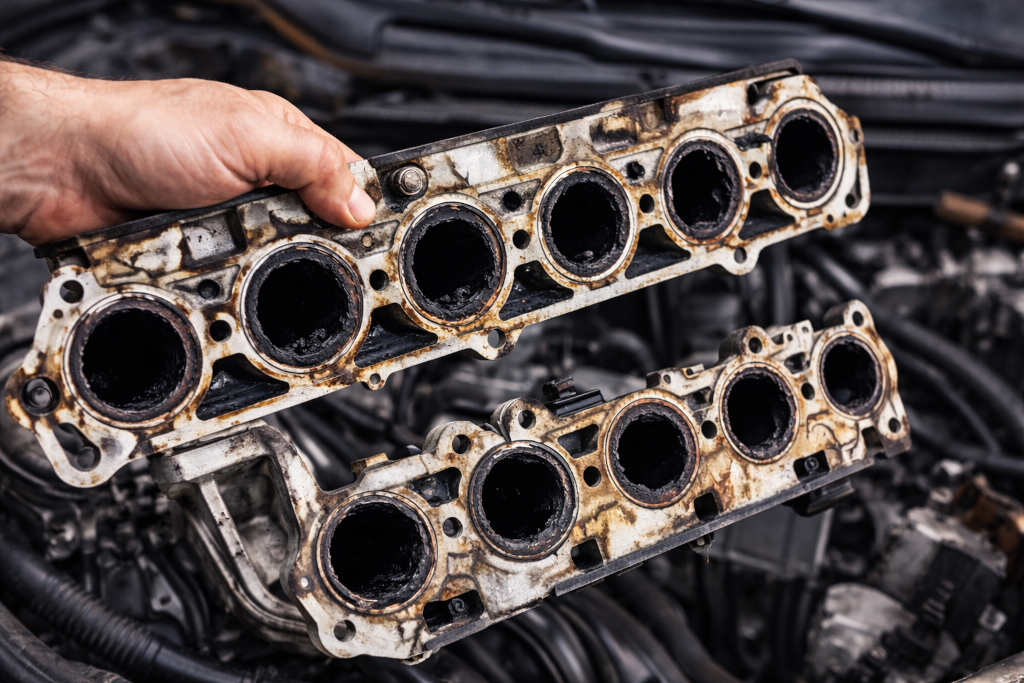
Carbon build-up in the intake system is increasingly common in modern diesel engines and direct injection petrol engines. Over time, these deposits reduce performance, increase fuel consumption, and may lead to costly mechanical failures.
Decarbonising the intake manifold, intake valves, and EGR valve helps restore engine efficiency and prevents long-term reliability issues.
What Is Carbon Build-Up?
Carbon build-up occurs due to incomplete combustion, oil vapours, and exhaust gases recirculated through the EGR system.
- Intake manifold
- Intake valves
- EGR valve
In modern engines — especially those equipped with active EGR systems and diesel particulate filters (DPF) — carbon accumulation is more frequent.
Why Does the Intake Manifold Become Contaminated?
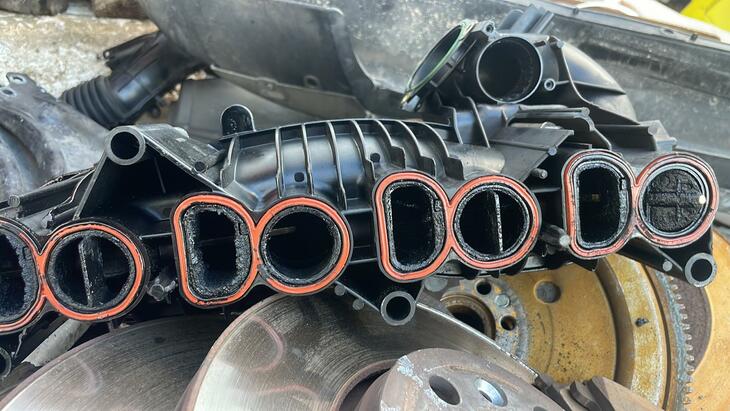
The intake manifold channels air into the engine. When mixed with oil vapours and recirculated exhaust gases, thick carbon deposits form and restrict airflow.
Consequences:
- Loss of power
- Irregular acceleration
- Increased fuel consumption
- Engine warning light illuminated
Intake Valves in Direct Injection Engines
In direct injection petrol engines, fuel is injected directly into the combustion chamber, meaning it does not pass over the intake valves.
This prevents the natural cleaning effect of fuel washing over the valves, allowing deposits to accumulate more rapidly.
- Unstable idle
- Misfires
- Excessive vibration
EGR Valve Issues
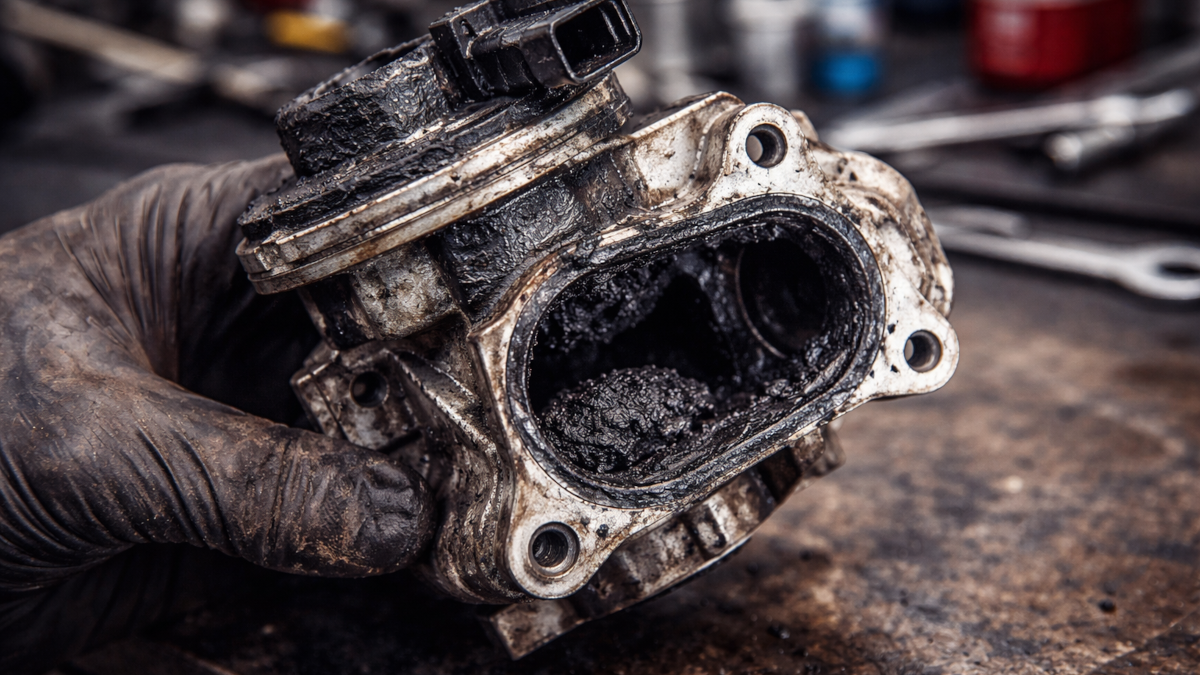
The EGR valve reduces emissions by recirculating exhaust gases back into the engine. However, these gases carry soot and particles that contribute to clogging.
- Loss of power
- Higher fuel consumption
- Limp mode activation
- Emission-related fault codes
Symptoms Your Engine May Need Decarbonising
- Gradual loss of performance
- Excessive smoke (especially diesel engines)
- Increased fuel consumption
- Dashboard warning lights
- Failure during vehicle inspection
How Is Decarbonising Performed?
1. Chemical Cleaning
Specialised products are applied to remove light deposits.
2. Hydrogen Cleaning
A less invasive method, suitable for preventative maintenance.
3. Manual Cleaning with Component Removal
The intake manifold and EGR valve are removed for thorough cleaning. Recommended when significant blockage is present.
Benefits of Decarbonising
- Restored engine performance
- Improved throttle response
- Reduced fuel consumption
- Lower emissions
- Extended engine lifespan
When Should It Be Done?
The need depends on driving habits. Frequent urban driving and short journeys accelerate carbon build-up.
On average, inspection is recommended between 50,000 and 75,000 miles, or earlier if symptoms appear.
Conclusion
Decarbonising the intake manifold, valves, and EGR valve is a preventative maintenance procedure that can avoid costly component replacement and restore engine efficiency.
A professional diagnostic assessment will determine the level of carbon build-up and the most appropriate cleaning method.
Book a Diagnostic Inspection