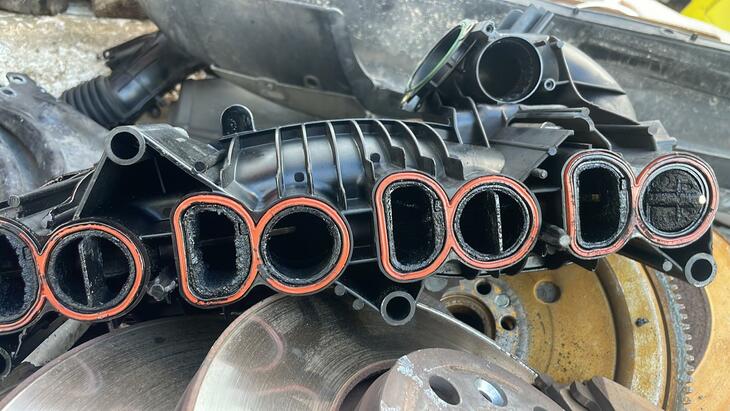


Why Your Car Goes Into Limp Mode (And What You Should Do Immediately)
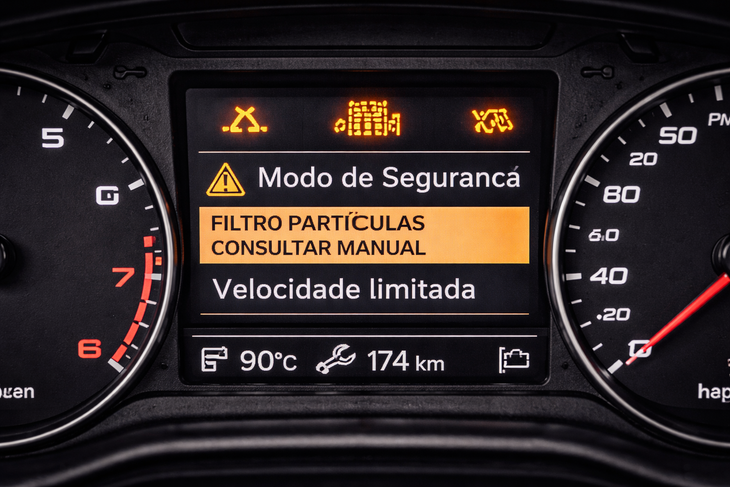
If your car suddenly loses power, struggles to accelerate, or refuses to go above a certain speed, it may have entered limp mode. This is a built-in safety feature designed to protect your engine from serious damage—but it also means something is wrong.
Understanding why limp mode happens and how to react can help you avoid costly repairs and keep your vehicle running safely.
What Is Limp Mode?
Limp mode (also known as safe mode) is a protective function activated by your car’s ECU (engine control unit). When the system detects a serious fault, it limits engine performance to prevent further damage.
- Reduced engine power
- Limited RPM
- Restricted gear shifting (automatic vehicles)
While this may feel alarming, limp mode is designed to allow you to drive safely to a workshop.
Common Causes of Limp Mode
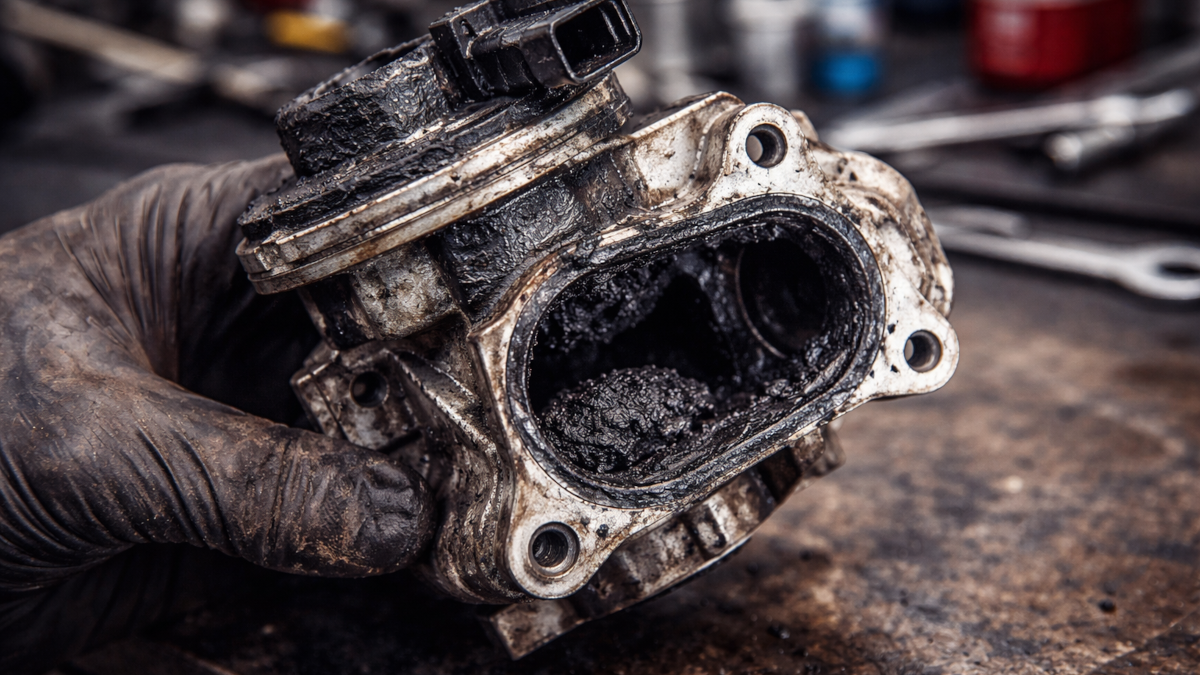
EGR Valve Problems
Carbon build-up can block the EGR valve, affecting airflow and triggering limp mode.
DPF (Diesel Particulate Filter) Blockage
A clogged DPF prevents proper exhaust flow, causing the system to reduce engine power.
Turbocharger Issues
Faulty turbo pressure or boost leaks can force the engine into safe mode.
Sensor Failures
Faulty sensors such as MAF (mass airflow) or MAP sensors can send incorrect data to the ECU.
Fuel System Problems
Issues with injectors or fuel pressure can also trigger limp mode.
Symptoms Drivers Notice
- Sudden loss of power
- Vehicle won’t accelerate properly
- Engine warning light illuminated
- Car stuck in a low gear
- Limited speed
Can You Keep Driving?
In most cases, you can drive short distances in limp mode—but only to reach a workshop.
Continuing to drive for long periods may:
- Cause further engine damage
- Increase repair costs
- Lead to complete breakdown
How Is Limp Mode Diagnosed?
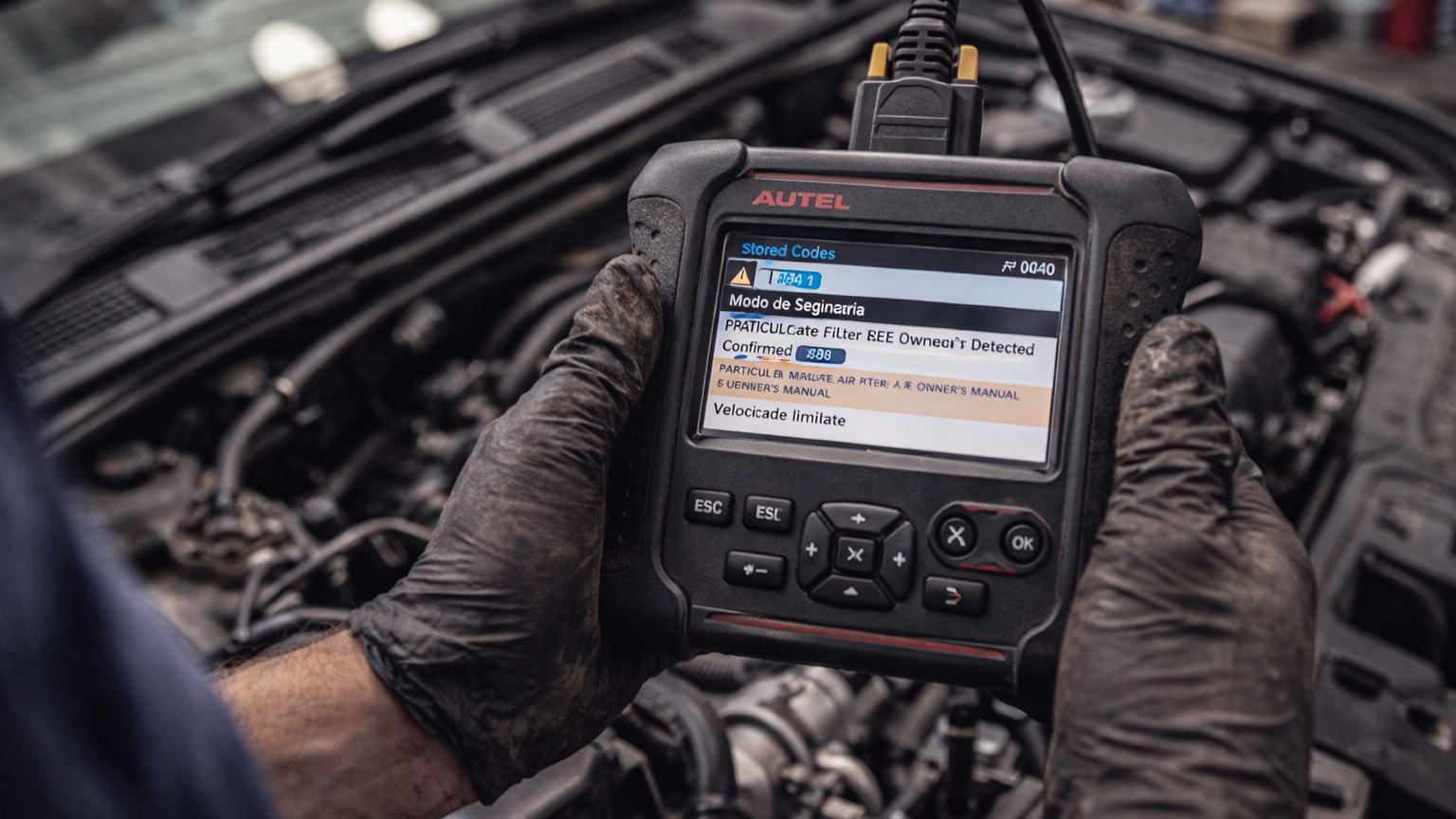
A professional diagnostic process includes:
- Reading fault codes from the ECU
- Analysing live engine data
- Inspecting key components (EGR, turbo, sensors)
Limp mode itself is not the problem—it’s a symptom of an underlying issue.
How Is It Fixed?
- Cleaning or replacing the EGR valve
- DPF regeneration or cleaning
- Repairing turbo or boost leaks
- Replacing faulty sensors
- Fixing fuel system issues
How to Prevent Limp Mode
- Avoid frequent short trips (especially in diesel vehicles)
- Perform regular servicing
- Use quality fuel
- Allow the engine to reach operating temperature
- Take occasional longer drives to support DPF regeneration
Final Advice
Limp mode is your car’s way of telling you that something needs attention. Ignoring it can turn a simple issue into a costly repair.
A quick diagnostic check can identify the problem early and get your vehicle back to full performance.
Book a Diagnostic Inspection